Drummer Wanted: How the Back Pages of the Classifieds Quietly Built American Rock and Roll
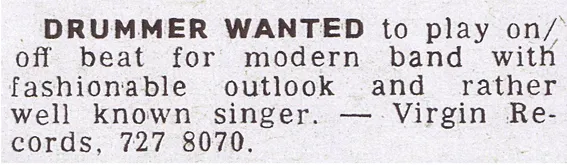
Photo: drummer wanted classified ad newspaper music, via www.fodderstompf.com
Every musician remembers the ad. Not the gig, not the first show — the ad. The one that said 'Bassist wanted, influences: anything loud.' Because before the tours and the records, most bands are just two strangers discovering they both own a Fender amp.
Here at Balkaar Ads, we obviously believe in the power of a good listing. But even we were surprised by how much American music history lives in the back pages.
The Back Page Hall of Fame
The classifieds have quietly assembled bands for decades, and some of the names are enormous:
- Metallica — the most famous classifieds story in rock. Lars Ulrich's 1981 ad in The Recycler ('Drummer looking for metal musicians...') drew James Hetfield. That's it. That's the origin story.
- The Smashing Pumpkins — Billy Corgan found guitarist James Iha through a Chicago-area ad.
- Slayer — Kerry King answered a 'guitarist wanted' posting from Tom Araya's circle. Los Angeles, early 1980s, back pages.
- Gin Blossoms — the Tempe, Arizona band came together the way countless bar bands do: word of mouth, flyers, and small local listings.
The pattern holds across genres, too. Country, punk, jazz combos, church praise teams — the want-ad has been the uncredited sixth member of a thousand bands.
Why the Lowly Ad Still Beats the Algorithm
You might assume that in the streaming era, bands form exclusively through apps and Discord servers. Some do. But local classifieds have three stubborn advantages.
Proximity. An ad on a community board filters by geography by default. Your drummer is 15 minutes away, not 45.
Intent. Someone who posts 'guitarist seeking band' is doing a thing, right now. There's no algorithmic mystery about whether they're serious.
Low stakes. Replying to a classifieds post costs nothing. No profile to curate, no follower count to worry about. You just show up and play.
For Sellers: How to List Gear That Actually Sells
The other half of the music-classifieds economy is the gear trade, and it has its own unwritten rules. If you're listing an instrument, follow this playbook:
1. Name the brand, model, and year in the first line
'Shiny red guitar' gets scrolled past. 'Fender Stratocaster, MIM, 2014, sunburst' gets clicks. Buyers search by specifics, so put them up front.
2. Photograph the headstock, the serial number, and the flaws
Natural light, plain background, and at least one honest photo of the worst scratch. Listings that hide damage get lowballed; listings that show it get fair offers.
3. Say what it sounds like, not just what it is
'Great for surf rock and worship gigs' tells a buyer more than a paragraph of specs. Tone words sell used gear.
4. Price it against the used market, not your memories
That amp cost $900 new in 2009. It's worth $250 today. Check recent sold listings nearby and price within 10% of them. Firm pricing on used gear is how listings die of old age.
5. Include the case and the cables
Bundling a gig bag or a stand moves listings dramatically faster, and it costs you nothing.
For Seekers: Writing a 'Band Member Wanted' Ad That Works
If you're on the other side of the equation, steal this structure: instrument, genres, commitment level, location, and one honest line about your ambitions. 'Drummer wanted, punk/indie, practice Tuesdays in Allston, we want to play out monthly, we are not famous and that's fine' will outperform a vague ad every time. Specificity is kindness.
The Point
Somewhere in America tonight, a kid is posting 'singer wanted, I have songs' on a local board, and somewhere else a stranger is about to answer it. That's how it's always worked. The classifieds didn't just sell used amps — they built the bands. Post accordingly.