Nobody Wants the China: The Great Boomer Stuff Transfer Has Begun
Photo: Steve Shook from Moscow, Idaho, USA, CC BY 2.0, via Wikimedia Commons
Somewhere in America right now, a dining room hutch full of wedding china is being listed for free — must pick up this weekend — and somewhere else, a 1978 Marantz receiver is gone within ninety minutes of posting, possibly fought over.
Welcome to the Great Boomer Stuff Transfer, the largest generational downsizing this country has ever attempted. Roughly 70 million Americans born between 1946 and 1964 are, in steadily increasing numbers, confronting a question their parents mostly avoided: what happens to a lifetime of acquiring?
The answer, increasingly, is showing up on your local classifieds board.
What's Flying Off the Boards
Spend a week watching a community marketplace and the pattern is unmistakable. Mid-century furniture, once destined for the curb, now commands real money — walnut dressers, teak anything, and the occasional Eames-era chair that makes resellers sprint to their cars.
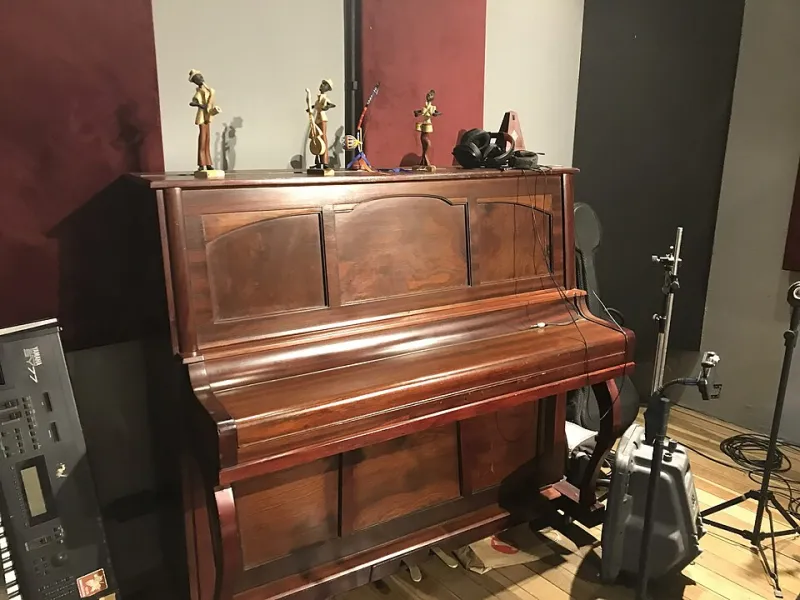
Analog audio is the other runaway hit. Console stereos, turntables, tube amps: buyers in their twenties and thirties are paying serious cash for the sound systems their grandparents were talked out of keeping. Vintage tools follow the same logic — the heavy, made-in-America kind that outlive their owners.
"The stuff built like a tank sells," says one estate-clearing seller in Pennsylvania who asked to be identified only as Jo. "The stuff built to impress your 1965 dinner guests does not."
The Free Pile Grows
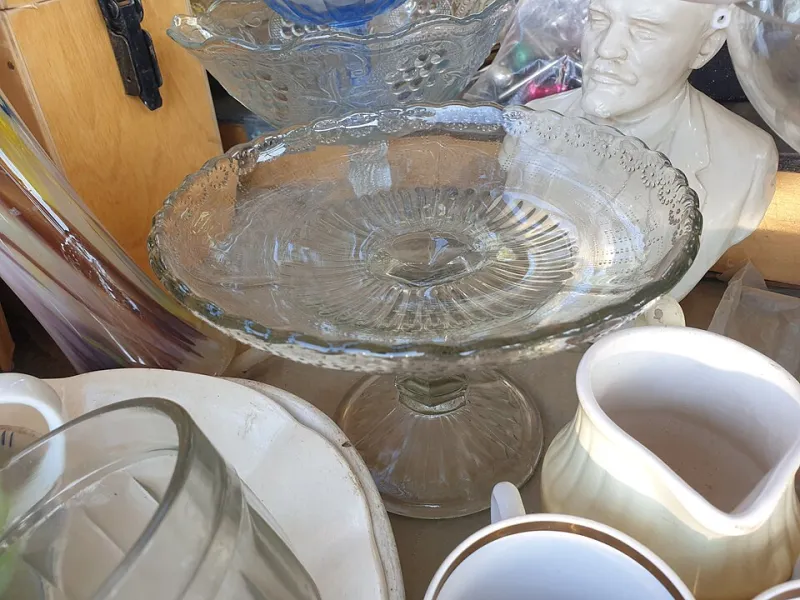
And then there's the other list. Formal china. Crystal stemware. Silver-plated serving pieces. ThighMaster-era exercise equipment. China cabinets themselves — the enormous, mirror-backed kind — which have become the poster child for the whole phenomenon.
The cultural shorthand for this is blunt: millennials and Gen Z don't want the china. It's not ingratitude, say the people doing the downsizing's emotional labor. It's arithmetic. Younger households are smaller, rent more, move more, and entertain in a way that involves a sheet pan and everybody bringing something. A service for twelve that cannot go in the dishwasher is a museum piece, and nobody has a museum.
The result is a strange new genre of listing: items of genuine monetary value once, offered at $0, with a note that reads like a small heartbreak. Grandmother's Noritake set. Please give it a good home.
What the Stuff Is Worth, Reconsidered
Economists call this the wealth effect of illiquid assets: a house full of possessions that appraise for thousands and sell for tens. But the people actually posting the listings describe something less clinical.
"You spend forty years building a home, and then you find out the market only wants about ten percent of it," says Jo. "The rest is memory, and memory doesn't transfer."
Yet something does transfer, in a way. The same boards where china goes begging are where a young couple furnishes their first apartment for $300, where a teenager buys a sewing machine and learns to use it, where a neighborhood's castoffs become another household's beginnings. The stuff doesn't go to the grandchildren. It goes to somebody's grandchildren.
Advice From the Front Lines
For families in the middle of a downsizing, marketplace veterans offer a consistent playbook:
- Price to move, not to appraise. Check what similar items actually sold for, not what a 1990s price guide says.
- Bundle the unloved. "Free with any purchase" clears crystal faster than any listing.
- Photograph honestly and thoroughly. Buyers of vintage goods want flaws documented.
- Let go of the story, keep the photo. Take pictures of the china set before it leaves. The memory survives the hutch.
The great transfer will take years — maybe a decade or more — and every week it will put thousands of items back into circulation through the humblest of channels: a listing, a handshake, a pickup truck.
The china may be doomed. But the neighborhood swap meet, it turns out, is immortal.