An Hour of Plumbing for a Snowblower: The Quiet Revival of Swap-Only Listings
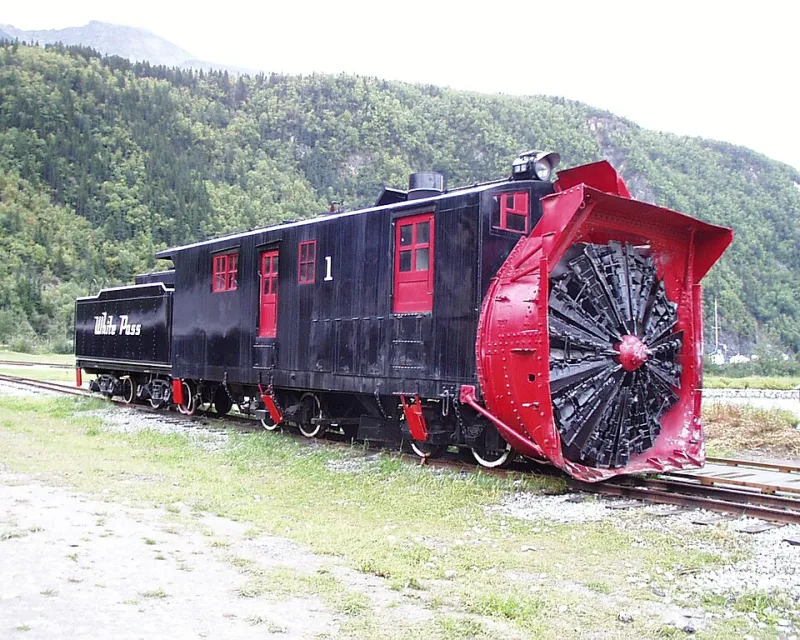
Photo: MeRyan, CC BY 2.0, via Wikimedia Commons
There's a two-stage snowblower at the end of a driveway outside Dayton, Ohio, with a piece of cardboard zip-tied to the handle. It doesn't list a price. It lists a want: RUNS GOOD. WILL TRADE FOR PLUMBING WORK.
The man behind the sign isn't desperate. He's a retired schoolteacher with a bad knee, a pipe leaking under the kitchen sink, and a machine he can no longer wrestle out of the garage. He ran the numbers the way a lot of households are running them this year, and the dollar figure on a used snowblower turned out to be the least interesting thing about it.
The Ad That Never Mentions a Number
Spend an afternoon scrolling the barter and trade sections of any local classifieds board and a parallel economy starts to show itself. Roof repairs offered in exchange for a running pickup. A Saturday of dental cleanings traded for a rebuilt deck. A wedding photographer willing to shoot a June ceremony in return for a used riding mower and two guys to help haul it.
None of these are charity. None of them are really bargains, either. They're something older and more practical: the swap, reinstated.
For most of the last century, bartering got treated as a quaint leftover — something your grandfather did with a neighbor's tractor, or a habit the modern economy was supposed to retire. What's happening now looks different. It's not scarcity driving it so much as friction. Cash is taxed, tracked, and increasingly annoying to move around in small amounts. A skill, meanwhile, sits there in your hands, fully depreciated and ready to be spent.
Why Cash Got Awkward
Two things push people toward the trade column.
The first is price. When a new water heater costs more than a used snowblower is worth, swapping stops being a cute idea and starts being the obvious one. Rising prices don't just make things expensive — they make the gap between things weird. A plumber's hour and a snowblower's resale value don't move at the same speed, which means there's a window where trading them beats buying and selling them.
The second is trust, or the absence of it. Cash deals with strangers now come with a background hum of fraud warnings, chargebacks, and porch-piracy anxiety. A trade carries a built-in advantage: both people have to show up, both have to perform, and both can look each other in the eye. You can't counterfeit an hour of pipefitting.
The Ledger Nobody Writes Down
There's no app for this, which is part of the appeal. Terms get worked out in texts, in driveways, over the phone.
- The straight swap. You get the machine, I get the repair. Done in an afternoon.
- The split. Cash plus labor — the buyer covers parts, the seller throws in the install.
- The rolling tab. The most common arrangement, and the most delicate. Somebody's hour goes on an invisible ledger, to be settled whenever the other person needs something else.
That last one is where the real economy lives. Ask anyone who's traded a few times and you'll hear about a guy who fixed a furnace in October and got his gutters cleaned every fall for the next four years. No invoice, no contract — just a handshake and a memory. It works because in a town of eleven thousand people, your reputation is collateral that can't be repossessed.
The Fine Print
Barter isn't a tax loophole. The IRS has been clear for decades that the fair market value of traded goods and services counts as income, and technically both parties owe on it. Almost nobody files that way, of course, and the agency has bigger fish. Still, it's worth knowing that a swap is a transaction, not a magic trick.
There are practical limits too. You can't trade for a mortgage payment. Try offering your dentist a snowblower and see how far it gets you. Trades work best between someone with time-based skills and someone with object-based surplus — labor for stuff, stuff for labor.
How to Post a Trade That Actually Lands
If you're going to try it, a few things separate a listing that gets answers from one that sits for six weeks:
Name the skill, not the job title. 'Will trade handyman work' gets ignored. 'Will trade two hours of drywall patching for a working chest freezer' gets replies.
Be specific about the object. Condition, model, what's wrong with it. Vagueness reads like a scam.
Offer first, ask second. The listings that work lead with what you're bringing.
Set your own exchange rate. Say what you think your hour is worth in goods. It gives the other person something to negotiate against instead of a blank page.
Meet somewhere public first. A parking lot, a coffee shop, the front yard. If the trade needs a truck, bring a friend.
What the Swap Really Buys
The money angle is real, but it isn't the whole story. A trade is a small, low-stakes bet on a neighbor. It says: I'll do this before you pay me, and you'll do that before I finish. In a country where more transactions involve a screen, an escrow service, and a stranger three time zones away, that's a strange and refreshing thing.
The snowblower guy in Dayton will probably get his pipe fixed by Thursday. The plumber will get a machine that clears his driveway through February. And somewhere in the middle, on a handshake nobody recorded, two people decided the dollar wasn't the only thing worth counting.