Wanted: A Bunk Bed, a Prom Dress, and a Whole Town's To-Do List
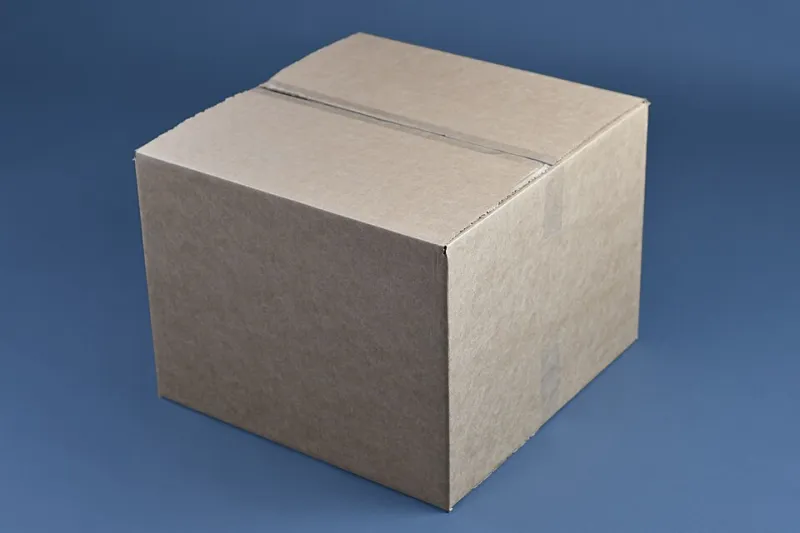
Photo: HireAHelper, CC BY 2.0, via Wikimedia Commons
Scroll through a local marketplace on a Wednesday night and you'll find them wedged between the treadmills and the used tires: posts that start with three letters — ISO — or the plain-English version, "Wanted."
They don't photograph well. There's no hero shot of a leather sectional, no price slashed from $400 to $250 in a red font. Just a sentence, sometimes a blurry reference photo pulled off a store's website, and a request.
Which is precisely why they're the most honest section in the classifieds.
The part of the page that isn't selling anything
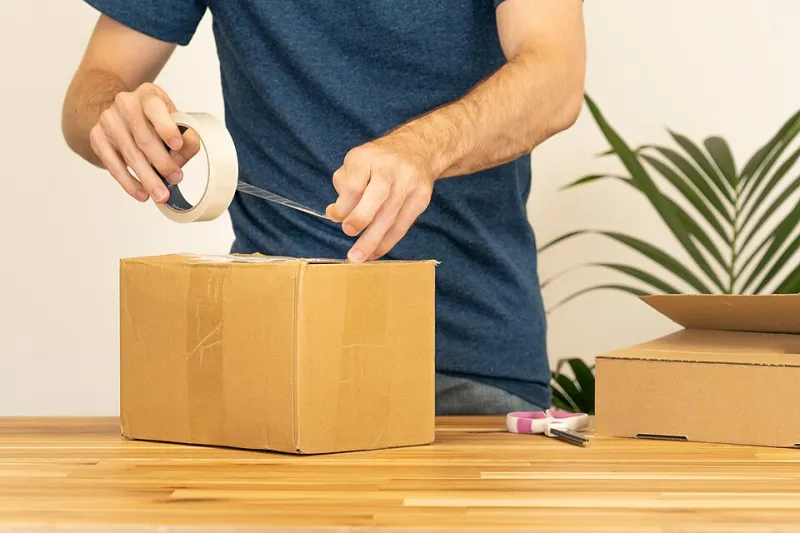
A for-sale ad is a pitch. An ISO ad is a confession: here's what I don't have, here's what I need, here's how far I'll drive to get it. Nobody posts "ISO: 6–8 moving boxes, any condition, will pick up" to impress a stranger. There's no status in it. There's no angle. There's just a person with a move-in date and an empty trunk.
That lack of a pitch is what makes wanted ads worth reading as a body of evidence rather than one at a time. Collect a few hundred of them and the randomness falls away. You start seeing a schedule.
The calendar hiding inside the asks
Most ISO posts are seasonal in a way that has nothing to do with the retail calendar and everything to do with real life.
- Moving boxes: May through September, with a hard spike in the last week of every month. Nobody needs boxes on the 3rd. Everybody needs them on the 28th.
- Bunk beds and twin mattresses: late July into August, right before school starts, usually framed as "two kids sharing a room now."
- Prom dresses: February into April, sized 2 through 12, and almost always with the same generous clause attached — "will return it clean, or pay it forward to the next girl."
- Canning jars: late summer, from people who suddenly have 40 pounds of tomatoes and no Plan B.
- Space heaters: the first genuinely cold night. Always about a week after the stores have swapped their aisles over to patio furniture.
Watch that last one closely, because it's the whole phenomenon in miniature. The store's schedule and the household's schedule don't line up, and the classifieds are where the gap gets filled.
Truck parts and other things a search bar can't find
Some asks are hyper-specific in a way that only makes sense block by block. A passenger-side mirror for a 2004 Ranger. A folding third-row seat for a specific minivan. A left-side bracket for a patio umbrella whose brand stopped existing in 2011. A replacement lid for a slow cooker that's still going strong.
The narrower the ask, the more the post starts to function as a search party. It isn't really a listing anymore — it's a bulletin board note with a description attached, and the person behind it is relying on somebody in a three-town radius having the exact thing sitting in a shed.
And the thing is: somebody usually does.
Barter never actually left
Here's where wanted ads start doing work that for-sale ads can't. Roughly one in every handful of ISO posts includes the words "will trade," and what follows is a small economy operating quietly underneath the cash one.
A guy with a truck and a Saturday free, offering hauling in exchange for a working dryer. A hairstylist with a chair at home, offering two cuts for a decent used lawnmower. A retired mechanic who'll look at your brakes if you'll help him get a piano out of a basement — a chore that, notably, also gets posted as its own ad about once a month.
These trades rarely involve a dollar figure. They involve time, skill, and a trailer. Which is a reminder that the local marketplace has always run on two currencies, and the second one doesn't show up in a price field.
The map of what a town is short on
Read wanted ads across a region for a few weeks and you get something that doesn't exist on any official dashboard: a live inventory of local scarcity.
When four people in the same zip code post "ISO: chest freezer" in a ten-day stretch, that's information. When the thrift stores get picked clean of winter coats by early November, that shows up too — not as a news story, but as a run of small, polite requests. When a town's only hardware store closes, the asks change from "ISO: 2x4s" to "ISO: does anyone have a table saw I could borrow for a weekend."
None of this is dramatic. All of it is accurate.
The etiquette of asking
Wanted ads have their own manners, and regulars keep them.
Say please. Be specific about size, model, or condition, because "ISO: couch" gets ignored while "ISO: small couch, under 70 inches, will pick up Saturday" gets three replies. Offer to do the driving. And — this one matters — come back and edit the post with a simple "found it, thank you all" once you're sorted. It closes the loop, and it quietly tells the next person that asking here actually works.
Why neighbors answer
Nobody answers an ISO post because they expect a return on it. They answer because the ask is small enough to say yes to. A bag of boxes, a dress in the back of a closet, forty minutes with a wrench.
And because most people who've posted one have also answered one. That's the choreography: a town writing itself a to-do list, one line at a time, and then checking off a stranger's item. It's the least glamorous section of the classifieds. It's also the one that knows what the town needs before the town says it out loud.