The Swing Set Sold It First: How Tiny Classified Ads Became Real Estate's Best Unpaid Stunt Doubles
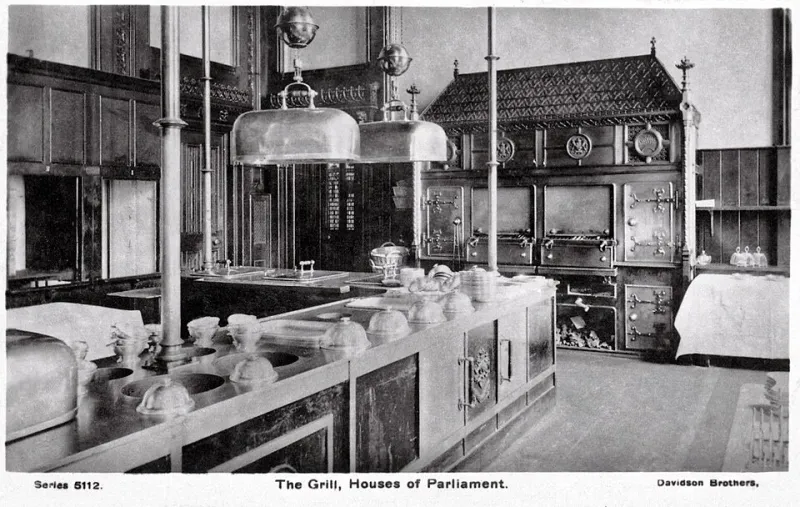
Photo: Photographer not identified. Publisher: Davidson Brothers, London; publishers of postcards, comics, greetings cards and artwork reproductions from 1901 to their winding-up in 1911., Public domain, via Wikimedia Commons
Here's a thing real estate agents don't put on their business cards: sometimes the sale doesn't close because of the granite countertops. It closes because of a $40 listing for a hand-built swing set that told a buyer everything the listing photos couldn't.
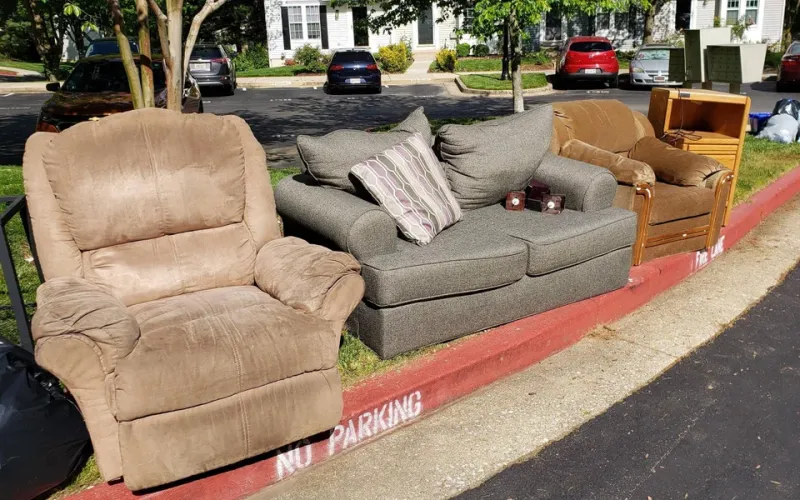
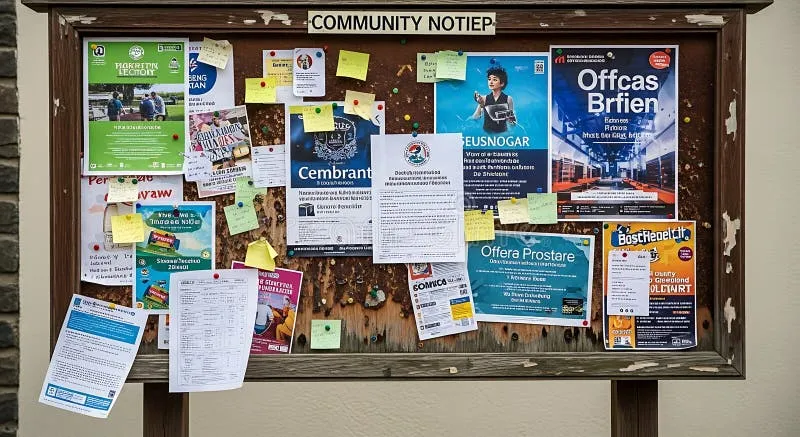
We've spent enough time around community boards and local listings to notice a pattern. The homes that sell fastest — and the neighborhoods people actually want to move into — often have a paper trail of humble classifieds behind them. Not the big glossy listings. The little ones. The ones selling a 1950s O'Keefe & Merritt stove, a stack of tomato cages, a 'free, works fine' chest freezer.
The Stove That Closed the Deal
A seller in Ohio told us about selling her grandmother's house — a place that had been in the family since 1961. The listing photos were fine. Competent, even. But the house was dated, and 'dated' reads as 'problem' to a lot of buyers scrolling at 10 p.m.
Then she posted the kitchen's original porcelain stove on a local classifieds board for $150. A young couple came to look at it, fell into conversation, and mentioned they'd just made an offer on a house a few streets over. Hers, as it turned out.
"They said the stove listing is what did it," she told us. "They'd seen the house online and thought it looked tired. But somebody who kept a stove like that running for sixty years? That told them the house was loved, not neglected."
The couple bought the stove with the house. She threw in the cast iron skillets.
What Small Ads Actually Signal
There's a term appraisers won't use but buyers absolutely feel: provenance of care. A home with a history of small, ordinary transactions — a ladder passed along, a bike sold to the kid down the street, a 'missing cat, answers to Biscuit' poster from 2019 — reads as a place with functioning social infrastructure.
Think about what a classified listing proves:
- People here participate. They show up, they haggle, they wave.
- Objects have histories. Nobody sells a 'vintage' stove in a neighborhood where everything is disposable.
- The seller is a neighbor, not a stranger. The tone of local ads — casual, apologetic about the price, full of neighborhood shorthand — paints a picture of the street itself.
A buyer in North Carolina told us she chose between two nearly identical houses based purely on what she could dig up online about each street. One block had an active community board full of yard sale announcements and a lost-dog reunion thread. The other had nothing. She bought on the first block. "I wanted neighbors who post about their tomatoes," she said. "That's the whole thing. That's what I was buying."
The 'Nice Neighbors' Plea
Then there's the rarest species: the seller who posts a listing that's not really selling anything. We've seen versions of it all over the country — a family relocating for work, posting something like: "Selling most of what we own. House is going on the market next month. If anyone knows a family looking to buy — we'd love our place to go to people who'll love the street as much as we did. The neighbors are the best we've ever had."
No agent would write that. It's too honest, too specific, too human. And that's exactly why it works. These posts get shared within neighborhoods, and the shares do what listing syndication never can: they carry an endorsement from actual residents.
One of these posts in a suburb outside Portland reportedly brought three separate groups to an open house who said they'd heard about it "from the neighborhood page." The house went to a couple with two kids and a dog. The sellers said the handoff felt less like a transaction and more like passing a relay baton.
How to Use Classifieds as Proof of a Home's Soul
If you're selling a home — or just love the one you're in — here's what we've learned from watching this play out on community boards:
1. Sell the story pieces early. List the vintage fixtures, the hand-me-down porch furniture, the garden tools before the house goes live. Every ad is a small public record that this place was tended.
2. Leave the good stuff visible in listing photos. If the swing set you built stays, mention in your listing that it's "the one from the neighborhood board." Buyers who saw the original post will feel like they're in on something.
3. Write your own 'nice neighbors' note — carefully. A brief, genuine line in a community post about hoping the right family finds the house can travel farther than any open house sign. Keep it sincere. Neighborhoods can smell marketing from a mile off.
4. Buyers: do the homework. Search the address, the street name, the neighborhood. What you find — the fundraisers, the free couches, the plant swaps — is the real neighborhood report.
The Best Sales Pitch Was Never a Pitch
Real estate photography sells a house's geometry. Classifieds sell its biography. A pro photo can show a buyer the bay windows; only a decade of small ads can show them the block where someone borrowed an egg beater and returned it with a six-pack.
So the next time a house sells suspiciously fast in your area, look past the listing. Check the local boards. There's a decent chance a swing set, a stove, or one earnest paragraph about the neighbors got there first.